
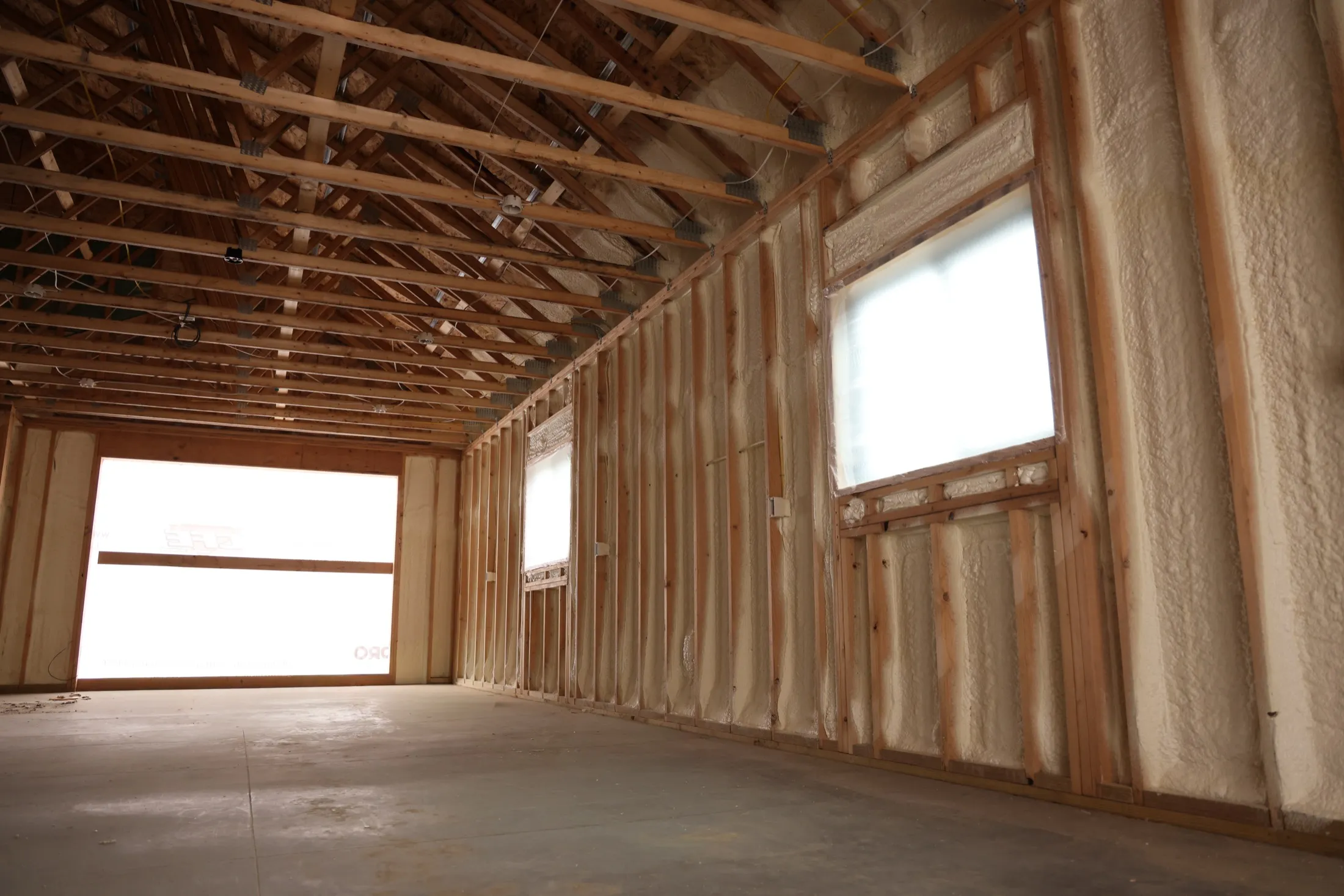
Why Spray Foam?
Spray foam is not just a product decision. It is an insulation decision shaped by the assembly, the climate and what the property owner is trying to improve.
The Amarillo Question Is Air, Heat, Wind and Assembly
In the Texas Panhandle, properties deal with wind-driven air movement, hot summers, cold snaps, hail risk and many metal structures. Spray foam can be useful where insulation and air control need to work together.
Cracks, holes, attics, walls and crawl spaces are common places where air leakage can affect comfort and energy use. The right recommendation still depends on the actual property.
Start with spray foam insulation in Amarillo for general insulation work, or use the separate spray foam roofing page for roof surface and coating questions.
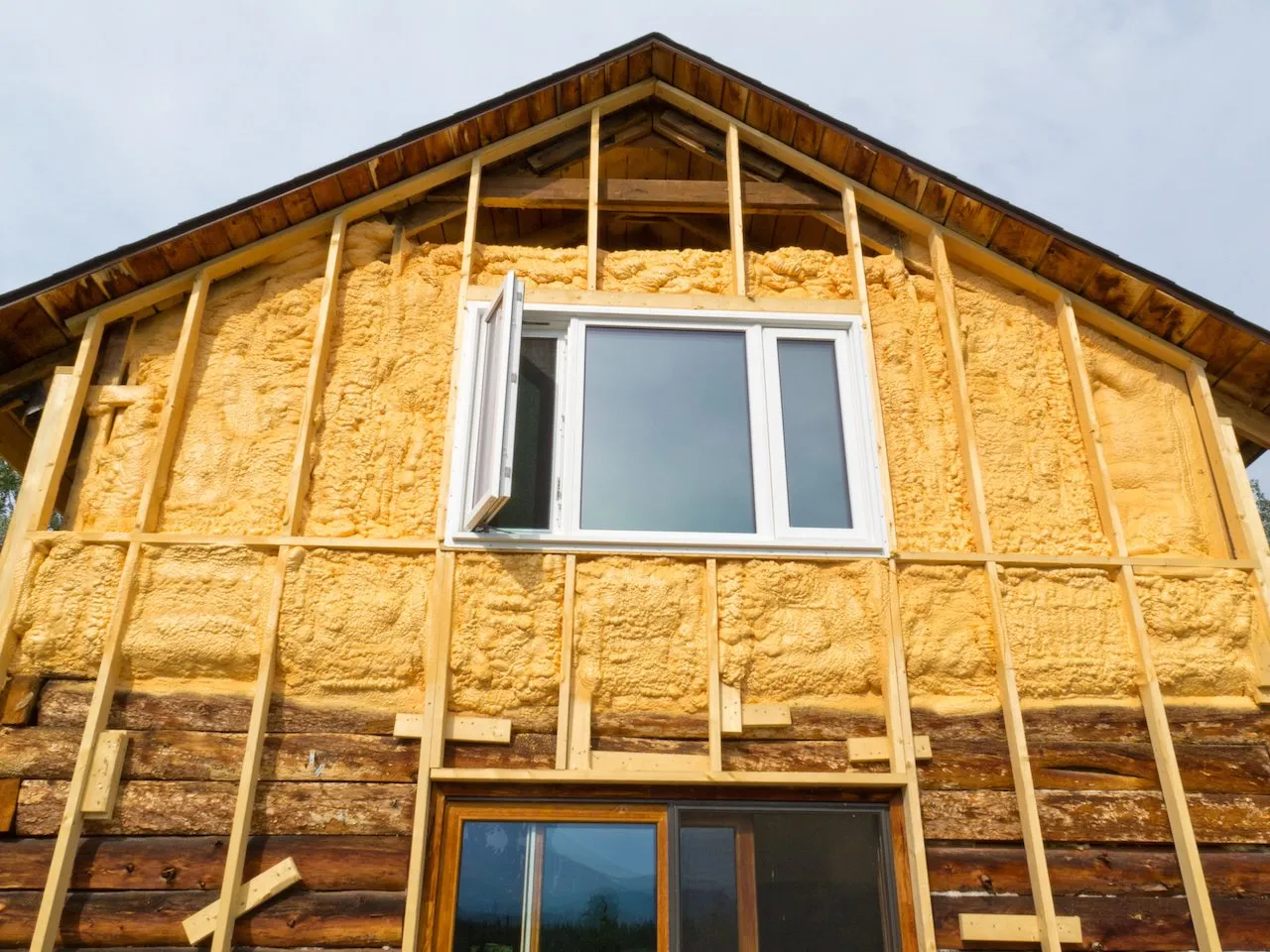
Spray Foam, Fiberglass and Cellulose Solve Different Problems
Spray Foam
- Expands into irregular areas
- Can help reduce uncontrolled air movement
- Requires professional equipment and installation
- Often has a higher initial cost
Fiberglass
- Widely used in batts or blown forms
- Primarily thermal insulation
- Can work well when installed carefully
- Air sealing may need a separate step
Cellulose
- Loose-fill option common in attic work
- Can fill irregular cavities
- Primarily thermal insulation
- Settling and moisture conditions matter
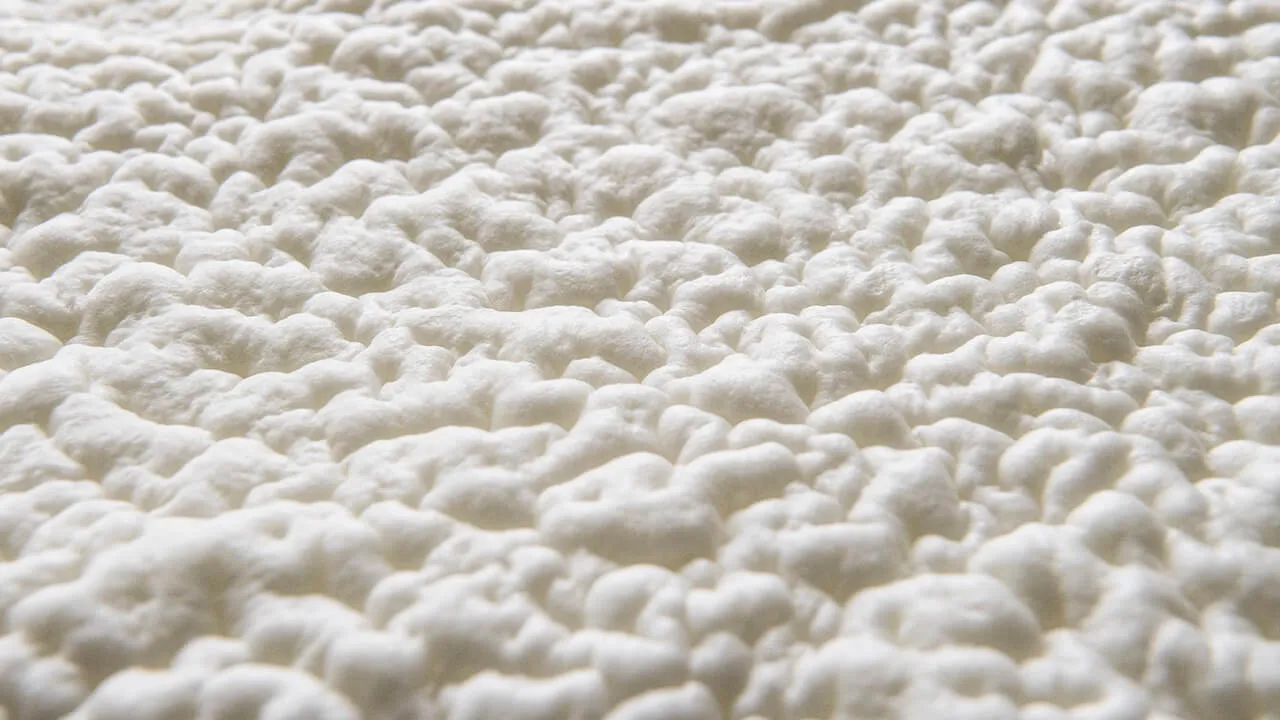
The Right Foam Depends on the Project
Open-cell and closed-cell foam have different uses. Cost can vary by foam type, project size, material quantity, project location, labor and code requirements.
Closed-cell and open-cell foam have different densities and use cases. Instead of declaring one universally better, a contractor should evaluate where the foam is going, what the assembly needs to do and what the project is trying to solve.
Metal Structures Make Temperature Swings Obvious
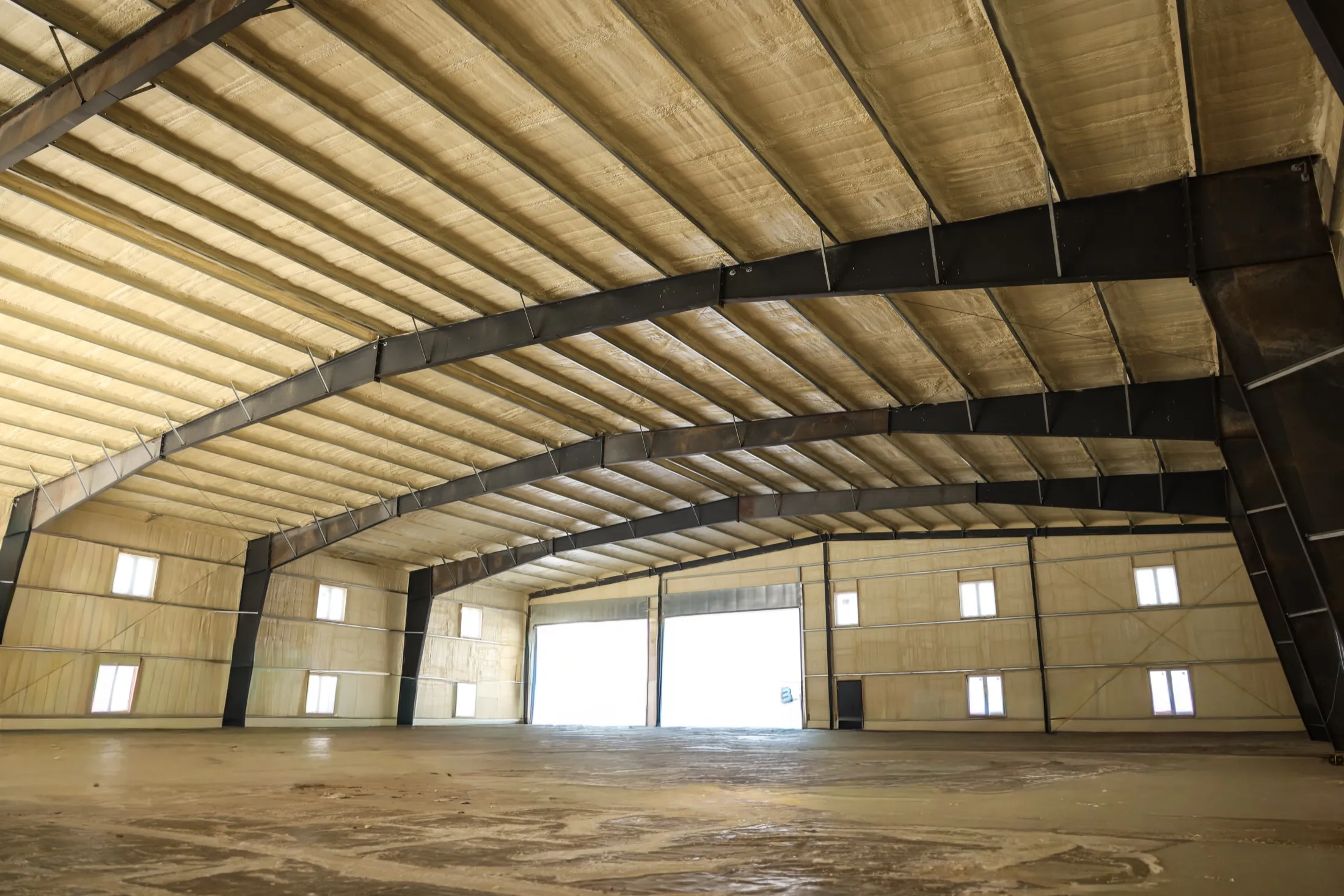
Metal structures, shops and barndominiums are common in the Amarillo area. Their roof and wall panels can respond quickly to outdoor conditions, so insulation planning should account for the full assembly.
Spray foam can be part of that plan, especially where gaps, seams and irregular surfaces make a continuous insulation and air-control layer valuable.
Spray Foam Decision FAQ
Is spray foam always the right insulation choice?
No. It depends on the property, the assembly, access, budget, existing material, code requirements and the problem you are trying to solve.
What makes spray foam different?
Spray foam expands during application, so it can help insulate and reduce uncontrolled air movement where it is installed correctly.
Is open-cell or closed-cell foam better?
Neither is universally better. The right material depends on the location, moisture strategy, desired thickness and project goal.
Can spray foam be used in metal structures?
Metal structures are a common spray foam use case because roof and wall panels can see major temperature swings. The exact scope should be evaluated for the property.
How does this relate to spray foam roofing?
Roofing is a separate service. SPF roofing uses spray polyurethane foam and protective coatings on roof surfaces, while interior insulation usually focuses on walls, attics, roof decks or other assemblies.
You Do Not Have to Figure It Out Alone
Call to describe the property, the structure type and the area you want to improve.